
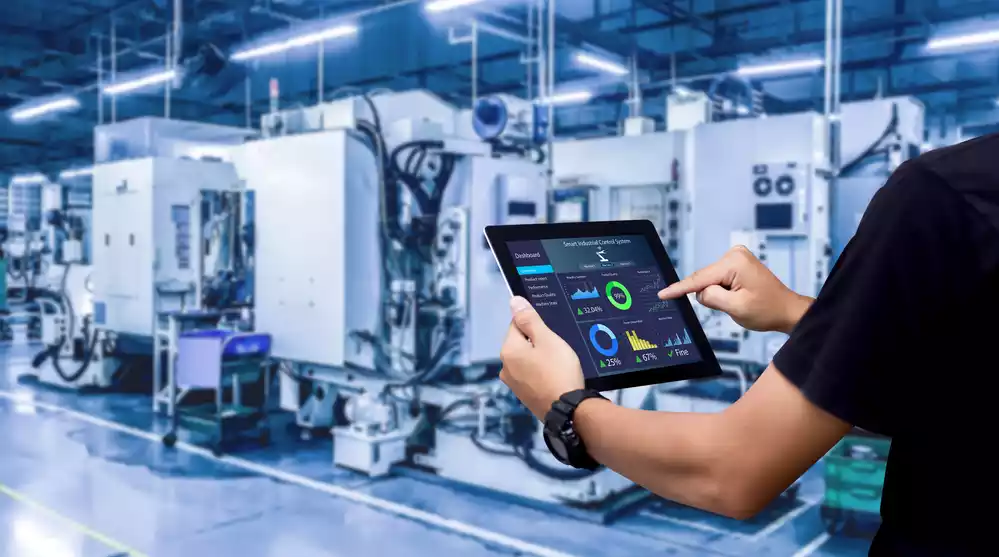
The manufacturing sector is a significant part of Thailand’s economy, known for its production of automobiles, electronics, and food products. As global competition increases, businesses are continuously looking for ways to improve their processes, increase output, and maintain high quality. This is where automation in industrial settings plays a fundamental role. It helps companies streamline their operations and stay competitive.
Introducing new technologies into factory floors can completely change how work gets done. By using automated systems, manufacturers can perform repetitive tasks with great precision and speed. The field of industrial automation combines robotics, computer software, and machinery to manage and control production processes. This shift reduces the chance of human error, leading to more consistent product quality and a safer working environment for employees.
In Thailand, the adoption of industrial automation is growing across various sectors. From the assembly lines in the Eastern Economic Corridor (EEC) to food processing plants that supply both local and international markets, the benefits are clear. Automation helps businesses manage large-scale production demands effectively, ensuring that they can meet deadlines and maintain a steady flow of goods.
One of the most noticeable advantages of automation is the boost in productivity. Robots and automated machinery can operate 24 hours a day, seven days a week, without breaks or fatigue. This continuous operation dramatically increases a factory’s output capacity. For Thai industries such as automotive parts manufacturing, this means faster production cycles and the ability to handle complex assembly tasks with precision. This leads to a stronger supply chain and quicker delivery times.
Automation also brings significant improvements in workplace safety. Many industrial jobs involve tasks that can be dangerous for human workers, such as handling heavy materials, working with hazardous substances, or performing repetitive motions that can cause injury over time. By assigning these tasks to robots, companies can create a safer environment for their staff. Employees can then be retrained for higher-value roles that require problem-solving and system oversight, contributing to their professional development.
The food and beverage industry in Thailand is another area where automation makes a large impact. Automated systems ensure that food processing and packaging are performed under strict hygienic conditions, which is vital for consumer safety and export standards. Precise temperature control, automated sorting, and contamination detection systems help maintain the quality and freshness of products. This boosts consumer confidence and strengthens Thailand’s reputation as a reliable food exporter.
Ultimately, integrating automation is a strategic move for Thai industries aiming for long-term growth and stability. It enhances efficiency, improves product quality, and creates safer working conditions. As technology continues to advance, the role of automation in supporting Thailand’s industrial base will only become more important, helping local businesses compete on a global stage.
