
As a young line cook, my arch nemesis was food film. I know it sounds silly, but it seemed to cling to everything but what I intended it to. That was 40 years ago, and the rising tide of technology has brought new products to our fingertips and new skills to mine. At home, are you using more cling-wrap-type food film, aluminum foil, or containers to keep your food fresh?
Bio-based food films have increased sustainability as they use natural products and emit less greenhouse gases in production. They are crafted to enhance anti-bacterial and anti-oxidation properties, increasing food safety, extending food shelf-life, and they are compostable. Quality food is not cheap. Save it safely.
People are not the only ones who need to save their food. Farmers have to store livestock feed to stabilize supply across crop and weather seasons. The silage towers of yesterday’s farms have been replaced by silage wrap film. Its use creates easy-to-handle, known quantities of food, which last. This greatly reduces the need for infrastructure, its maintenance, and transportation costs.
Healthy food for healthy bodies all around. Long shelf-life products such as canned or dried goods are boxed up and palletized for transportation. Everything moves on pallets. I watch old documentaries and am amazed at the labor and odd methods for loading and unloading shipping vessels. Large nets were lowered into the cargo hold, and every piece was positioned by hand.
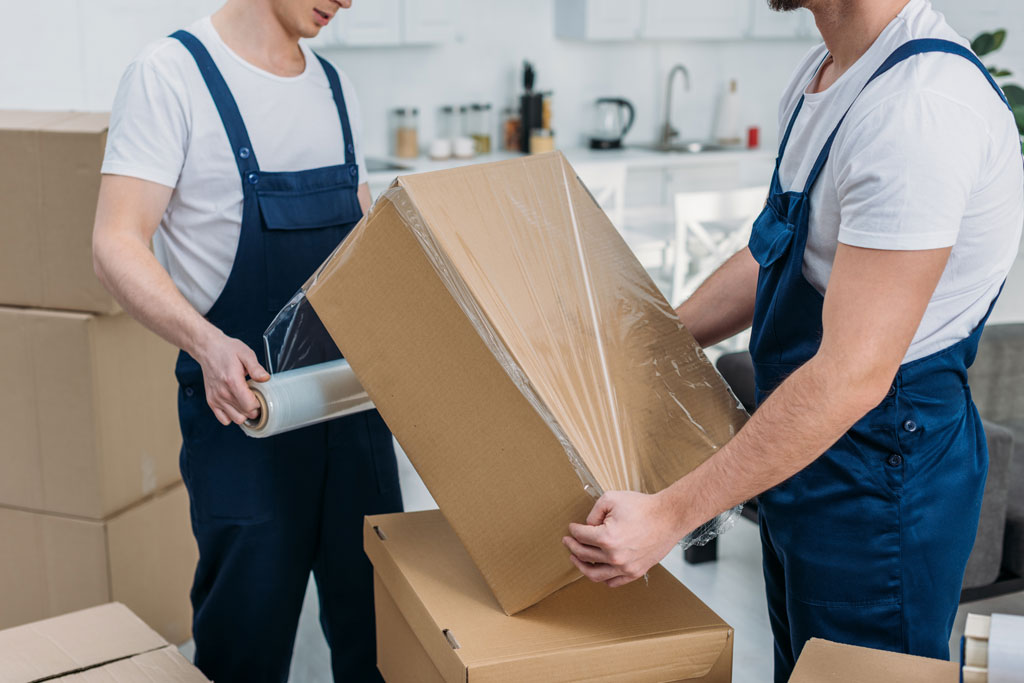
Now we stack the boxes in a stable pattern on a pallet and use stretch wrap film to secure all boxes into one large package. This can be done by hand, with tooling, or powered equipment that wraps the pallet for you. The top is always hard to reach effectively, and that brought about the top sheet, which is placed over the top of the boxes before wrapping for their long journey in a shipping container.
If you have ever lived in a northern climate? The marinas in winter now use a thin-film hull wrap to keep the elements out while in storage. It is also used by manufacturers to seal and secure new boats and yachts for delivery over land.
Our modern medical system could not survive without sterile thin-film products. A sealed instrument ensures sterility. Some films are sprayed on instruments to reduce friction and improve cutting. Have you seen a medical patch? Medicine is delivered through a time-release patch, and others are sealed in bottles with sterile films. Breathable wound dressings require these films, and bio-metric implants would be impossible without them.
Right now, you are reading this through a thin film over the display on your phone, laptop, or screen. Plastic is here to stay until we reach for greater inclusion of bio-based products to replace it. To remain competitive, manufacturers are shifting to cleaner, sustainable products and production. However, they only move on our demand. We must buy the responsible products.
