
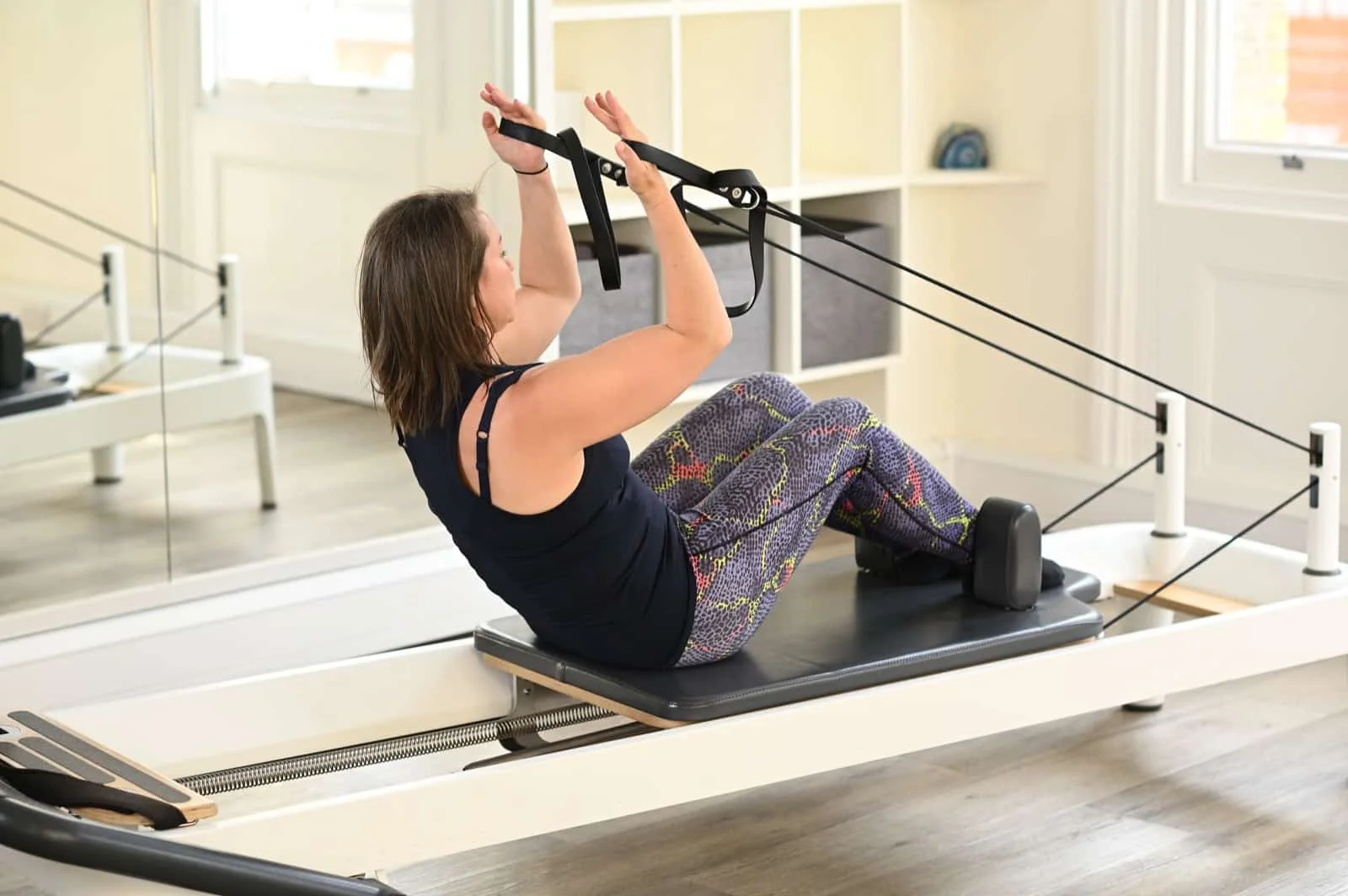
Singapore’s corporate landscape is facing a health crisis that is playing out quietly in open-plan offices, on video calls, and in the lower back pain and mental fatigue that accumulate across a workforce spending the majority of its waking hours seated. The Ministry of Health’s data on musculoskeletal disorders among working-age Singaporeans paints a consistent picture: neck and back complaints are among the most commonly reported work-related health issues, and they carry a direct and measurable cost to employers through absenteeism, reduced productivity, and healthcare utilisation.
For much of the past two decades, Singapore’s corporate wellness response to these issues has been limited to annual health screenings, step challenges, and the occasional yoga session. These are not without value, but they are fundamentally insufficient for addressing the postural and musculoskeletal consequences of the modern knowledge-worker lifestyle. A growing number of Singapore’s forward-thinking employers are recognising this gap and turning to more substantive solutions, among which the pilates reformer is emerging as a standout option for its specificity, measurability, and documented physiological outcomes.
The True Cost of Musculoskeletal Health Issues in Singapore Workplaces
Before making the business case for corporate reformer Pilates programmes, it is worth establishing the scale of the problem they address. Musculoskeletal disorders, including lower back pain, neck and shoulder tension, repetitive strain injuries, and hip dysfunction from prolonged sitting, are not minor inconveniences. They are significant drivers of workplace absenteeism, presenteeism (the loss of productivity that occurs when employees are at work but functioning below capacity due to pain or fatigue), and long-term disability claims.
Research consistently shows that lower back pain alone is among the leading causes of years lived with disability globally, and Singapore’s predominantly desk-based white-collar workforce is particularly exposed. The average Singapore knowledge worker spends eight to ten hours daily in a seated position, often in postures that create exactly the muscle imbalances and spinal loading patterns that reformer Pilates is designed to address. The cumulative cost to employers includes not just sick leave but the reduced output, increased errors, and decreased innovation capacity of employees who are operating in chronic physical discomfort.
Why Reformer Pilates Outperforms Standard Corporate Fitness Offerings
Standard corporate fitness benefits typically include gym membership subsidies, fitness tracker programmes, or access to generic group exercise classes. These have measurable value for general health maintenance, but they do not specifically address the structural dysfunctions created by sedentary work patterns. A gym membership is only as useful as the quality of training the employee engages in, and unsupervised gym training by people with no movement background frequently reinforces rather than corrects the posture patterns that desk work creates.
Reformer Pilates is different in several important respects. It is supervised and instructor-led, meaning that each session provides expert guidance rather than autonomous exercise. The methodology is specifically effective for addressing the anterior pelvic tilt, thoracic kyphosis, forward head position, and hip flexor tightness that are the characteristic postural consequences of prolonged sitting. The spring-resistance environment builds the posterior chain muscles, the muscles of the glutes, hamstrings, thoracic extensors, and scapular stabilisers, that are most consistently weakened by desk-based work patterns. And it does all of this in a time-efficient format that respects the demanding schedules of corporate employees.
The Productivity Dividend: What the Research Shows
The connection between physical health and cognitive performance is well established in the scientific literature. Physical exercise improves cerebral blood flow, enhances neuroplasticity, reduces inflammatory markers that impair cognitive function, and directly improves mood and motivation through endocrine pathways. These are not trivial effects. Studies on exercise and workplace productivity consistently show meaningful improvements in concentration, decision-making speed, creative problem-solving, and interpersonal collaboration in employees who engage in regular structured exercise compared to sedentary counterparts.
For Reformer Pilates specifically, the mindfulness component of the practice adds an additional cognitive benefit that purely cardiovascular exercise does not provide to the same degree. The requirement to sustain focused attention on precise movement, breath, and alignment during a reformer session trains the attentional regulation capacity that underpins sustained concentration in knowledge work. Employees who practise reformer Pilates regularly often report that the focused quality of attention they develop in the studio transfers measurably to their ability to maintain concentration during long meetings or complex analytical tasks.
Structuring Corporate Reformer Pilates Programmes
For corporate wellness programmes to deliver measurable outcomes, the structure of reformer Pilates provision matters considerably. Sporadic or one-off sessions have minimal physiological impact. The neuromuscular adaptations, postural improvements, and strength gains that produce observable reductions in back pain and improvements in energy require consistent attendance over a minimum of eight to twelve weeks.
The most effective corporate reformer programmes in Singapore share several structural features. They are offered at times that genuinely fit corporate schedules, typically early morning before the working day, during the lunch break, or in the early evening. They are delivered either at or very close to the workplace to minimise travel time friction, or at a convenient nearby studio. They are provided at a subsidised cost that removes the financial barrier that might otherwise prevent consistent attendance. And they include some form of outcome measurement, whether through participant-reported wellbeing surveys, attendance tracking, or pre- and post-programme physical assessments, that allows the employer to evaluate return on investment.
The Role of Group Sessions in Building Workplace Culture
Beyond the individual health and productivity benefits, group Reformer Pilates sessions provided as a corporate benefit carry a cultural dimension that many employers underappreciate. Shared physical experience in a non-competitive, non-hierarchical environment creates social bonds between colleagues that are qualitatively different from the connections formed in formal work settings. An executive attending a reformer class alongside team members from across the organisation participates in an equalising experience where rank has no relevance and shared challenge creates authentic connection.
These bonds have documented effects on workplace collaboration, psychological safety, and team cohesion. Employees who share positive experiences outside the formal work context trust each other more, communicate more openly, and are more likely to support each other during high-pressure periods. A corporate reformer programme is therefore not only a health investment but also a team culture investment with returns that extend across organisational performance.
Reformer Pilates for Executive and Leadership Populations
Senior leaders in Singapore’s corporate sector face specific physiological and psychological demands that standard wellness programmes rarely address directly. Long-haul travel disrupts circadian rhythms and creates sustained postural stress. Extended periods of high cognitive demand combined with stress hormones create chronic tension patterns in the neck, jaw, and shoulder girdle. The social pressure of high-visibility roles often means that leaders deprioritise their own health maintenance, contributing to the physical depletion that is increasingly recognised as a driver of executive burnout.
Reformer Pilates is particularly well-suited to this population for several reasons. It is time-efficient, delivering meaningful physical benefit in a forty-five to sixty-minute session. It is low-impact and recovery-supportive rather than adding to the physical stress load of an already demanding lifestyle. The mindfulness dimension provides a rare opportunity for genuine mental decompression in a context that is active rather than passive, which many high-energy leaders find more accessible than meditation. And the progressive, results-oriented nature of reformer training appeals to the achievement orientation that characterises most senior professionals.
Yoga Edition offers corporate wellness packages that bring reformer Pilates expertise to Singapore companies, providing structured programmes with the flexibility, instruction quality, and outcome focus that corporate clients require to genuinely serve their employees’ health and their organisation’s performance objectives.
FAQ
Q: How do we measure the return on investment of a corporate Reformer Pilates programme for our company?
A: ROI measurement for corporate wellness programmes typically combines direct metrics such as reduction in sick days related to musculoskeletal complaints, reduction in healthcare claims for back and neck conditions, and reduction in physiotherapy referrals, with indirect metrics such as employee-reported productivity, energy levels, and job satisfaction scores before and after the programme. Absenteeism data is generally the most straightforward hard metric, while wellbeing surveys provide the qualitative dimension. Most programmes that run consistently for six months or more show measurable improvements across at least two to three of these metrics.
Q: Our office is in the Raffles Place CBD area. Can Reformer Pilates studios in the area accommodate corporate group bookings at lunch or after work?
A: Yes, studios located in the CBD and surrounding areas such as Novena and Millenia Walk are well-positioned to serve corporate clients in central Singapore. Many studios offer dedicated corporate booking arrangements that reserve specific time slots for company groups, separate from public class schedules, and can accommodate groups of varying sizes. It is worth contacting studios directly to discuss dedicated corporate session arrangements and any group pricing that may be available.
Q: Some of our employees have existing back injuries or health conditions. Can they still participate in corporate Reformer Pilates sessions?
A: Reformer Pilates is specifically well-suited to participants with existing musculoskeletal conditions, and this is one of its significant advantages over more generic group fitness formats. However, employees with specific medical conditions should disclose these to the instructor before participating, and in some cases a medical clearance from their treating doctor may be advisable. A reputable studio will conduct a health intake process for corporate participants and will modify exercises appropriately for those with relevant health history.
Q: How many sessions per week would be needed to see meaningful health improvements in our employees?
A: Two sessions per week is generally considered the minimum frequency for achieving measurable physiological improvements in posture, back pain, and strength over a twelve-week programme. One session per week can produce some benefit and is certainly better than none, but the adaptive responses that drive meaningful health improvement require a higher stimulus frequency. If full twice-weekly sessions are not feasible due to scheduling constraints, even one weekly studio session combined with a supplementary programme of desk-based movement practices can produce worthwhile outcomes.
Q: Is there a minimum company size required to set up a corporate Reformer Pilates programme?
A: There is no strict minimum, as even small teams of five to eight people can access corporate wellness arrangements with many boutique studios. Larger organisations may negotiate more favourable pricing structures due to volume, but the wellness outcomes are equally available to smaller businesses. The more important factors are commitment to consistent participation, scheduling arrangements that genuinely enable attendance, and selecting a studio that has experience working with corporate clients and can deliver a structured programme rather than simply open access to public classes.
