
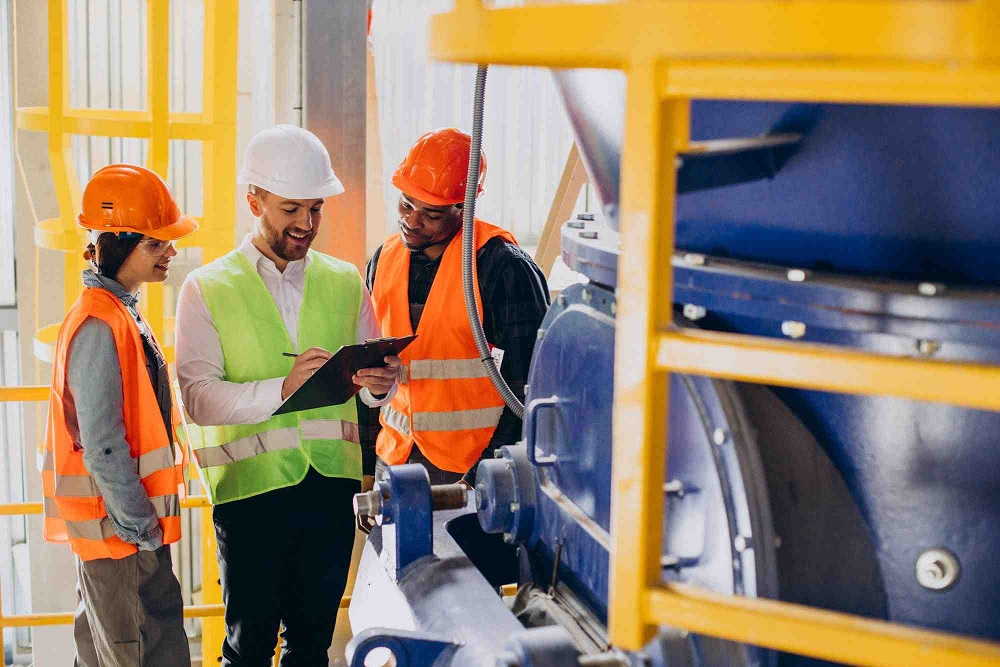
The automotive industry in the UK is a cornerstone of innovation, employing over 180,000 people directly in manufacturing and many more across supply chains, maintenance, and sales. Yet behind the polished showrooms and state-of-the-art manufacturing plants lies a highly complex health and safety landscape. With constantly moving parts, heavy machinery, hazardous chemicals, and high noise levels, the automotive sector poses serious risks to its workforce if not managed correctly.
This is where Avensure’s guide to Automotive Industry Health and Safety becomes vital. Whether you operate a vehicle manufacturing facility, a parts distribution warehouse, or a local garage, having tailored guidance is essential to meet legal obligations, safeguard staff, and minimise operational disruptions caused by accidents or non-compliance.
Understanding the Health and Safety Environment in Automotive Workplaces
Automotive environments are uniquely hazardous due to the combination of mechanical, electrical, chemical, and ergonomic risks. The sector spans a wide range of roles—engineers, technicians, line workers, drivers, warehouse operatives, and admin staff—all with distinct safety requirements. One-size-fits-all solutions simply do not work.
A risk-based, site-specific approach is essential. Every business must assess the threats in their specific operations and implement robust health and safety controls accordingly. The Health and Safety Executive (HSE) mandates that automotive employers conduct and review risk assessments regularly, train staff adequately, and maintain accurate documentation.
Key Hazards in the Automotive Industry and How to Mitigate Them
- Machinery and Equipment Hazards
Modern vehicle manufacturing relies heavily on automated equipment, CNC machines, and robotics. While these technologies increase efficiency, they also pose serious risks if safety protocols are neglected.
Preventative Measures Include:
- Conducting PUWER (Provision and Use of Work Equipment Regulations) assessments
- Installing physical guards and emergency stop mechanisms
- Lockout-tagout (LOTO) procedures during maintenance
- Routine equipment servicing and recordkeeping
Qualified health and safety professionals can assist in identifying overlooked risks and ensuring machinery is compliant with UK regulations.
- Exposure to Hazardous Substances
From brake fluids and degreasers to paint solvents and battery acids, chemicals are used widely in automotive work. Prolonged exposure can cause respiratory problems, skin burns, or even long-term illnesses such as occupational asthma and cancer.
Recommended Controls:
- COSHH assessments for every substance used
- Proper labelling and storage
- Providing PPE like gloves, respirators, and goggles
- Ventilation systems in enclosed workshop areas
- Safe disposal procedures for chemical waste
Employers are legally required to provide workers with training on handling hazardous substances and offer access to material safety data sheets (MSDS).
- Manual Handling and Ergonomic Risks
Automotive roles often require lifting heavy parts, working in awkward postures under vehicles, or repetitive wrist movements during assembly work. This makes musculoskeletal disorders (MSDs) a common concern.
Strategies for Prevention:
- Staff training on proper lifting techniques
- Use of mechanical aids like hoists and creeper boards
- Rotation of repetitive tasks to reduce strain
- Adjustable workbenches and ergonomic tools
A proactive ergonomic assessment can prevent long-term injuries and reduce absenteeism due to back pain or joint problems.
- Slips, Trips, and Falls
With oil spills, misplaced tools, and uneven flooring in garages or warehouses, slips and trips are some of the most frequent causes of workplace injuries.
Effective Prevention Tactics:
- Anti-slip floor coatings and mats
- Clearly marked walkways
- Prompt spill clean-up procedures
- Daily housekeeping checklists
- Good lighting in all work areas
These basic but critical steps must be included in daily operational protocols and regularly monitored for compliance.
- Electrical and Fire Hazards
Automotive facilities often work with high-voltage equipment and flammable materials. Poorly maintained electrical systems or improper storage of combustibles can lead to devastating accidents.
Control Measures Include:
- PAT testing of electrical equipment
- Regular fire risk assessments
- Installation and servicing of fire extinguishers
- Staff training in fire safety and evacuation drills
- Proper storage of fuel, aerosols, and other flammable materials
Employers should ensure a designated fire marshal is appointed for every shift, and evacuation plans are clearly posted and practised.
Legal Responsibilities and Compliance Frameworks
The Importance of Documentation
One of the most overlooked aspects of health and safety is proper documentation. If an incident occurs and you’re investigated by HSE or defending a liability claim, your best defence is your paperwork.
Documents Every Automotive Business Should Maintain:
- Up-to-date risk assessments
- Accident and near-miss records
- Safety induction checklists
- Maintenance logs for machinery and equipment
- PPE issue records
- Training logs and certifications
Lack of documentation doesn’t just weaken your defence—it can also result in fines even when no accident occurs, purely due to non-compliance.
Training and Competency
Ensuring employees are trained and competent is not just good practice; it’s a legal requirement under the Health and Safety at Work etc. Act 1974.
Mandatory Training May Include:
- Health and safety induction for all new starters
- First aid and emergency response
- Fire safety awareness
- COSHH and manual handling training
- Electrical safety (particularly in EV and hybrid servicing)
- Mental health and stress awareness
Training must be refreshed periodically and documented in employee files. Avensure provides expert support in developing tailored training programmes for automotive teams of all sizes.
Building a Positive Safety Culture
Health and safety is not just about tick-box compliance. It’s about creating a culture where every employee, from floor workers to managers, understands their role in creating a safe workplace.
Ways to Promote a Safety-First Culture:
- Visible management commitment to health and safety
- Encouraging staff to report hazards and near misses
- Rewarding safe behaviours and recognising teams
- Regular toolbox talks and team briefings
- Creating safety champions or health & safety committees
Culture is intangible, but its impact is measurable. Businesses that build strong safety cultures experience fewer incidents, lower insurance premiums, and higher employee satisfaction.
The Growing Focus on Mental Health in the Automotive Workplace
While physical safety has always been a top priority in industrial sectors, mental well-being is now coming to the forefront—especially post-pandemic. Long hours, high performance pressure, and physical fatigue can lead to burnout and anxiety.
Employers should consider offering:
- Access to Employee Assistance Programmes (EAPs)
- Mental health first aider training
- Clear pathways for employees to raise concerns
- Workload management strategies
- Regular check-ins and confidential surveys
Avensure’s approach doesn’t treat mental health as a standalone issue—it integrates it into the wider health and safety ecosystem for maximum impact.
Partnering with Experts to Navigate Complexity
With constantly changing regulations, new technologies like electric vehicles, and the evolving workforce expectations, managing safety in the automotive industry is becoming more complex than ever.
This is why businesses increasingly rely on professional consultants such as those behind Avensure’s guide to Automotive Industry Health and Safety. Rather than offering generic advice, Avensure tailors support to your operational environment, risk profile, and workforce dynamics.
Their specialists help you:
- Conduct and update risk assessments
- Create compliant policies and procedures
- Deliver customised training
- Handle HSE inspections and investigations
- Reduce accident rates and claims
By partnering with experts, automotive businesses can focus on innovation and customer service, confident that their safety responsibilities are being expertly managed.
Conclusion: Safety Is the Driving Force Behind Sustainable Automotive Success
In a sector that’s rapidly evolving—be it through automation, electrification, or new mobility models—one thing remains constant: the need for a safe and compliant working environment. Businesses that invest in health and safety not only protect their employees but also their reputation, operational efficiency, and bottom line.
With the help of seasoned advisors like those at Avensure, you can ensure your workshop, factory, or distribution centre is a model of modern health and safety excellence. Let Avensure’s guide to Automotive Industry Health and Safety be your trusted roadmap for creating a safer, smarter automotive business.
