
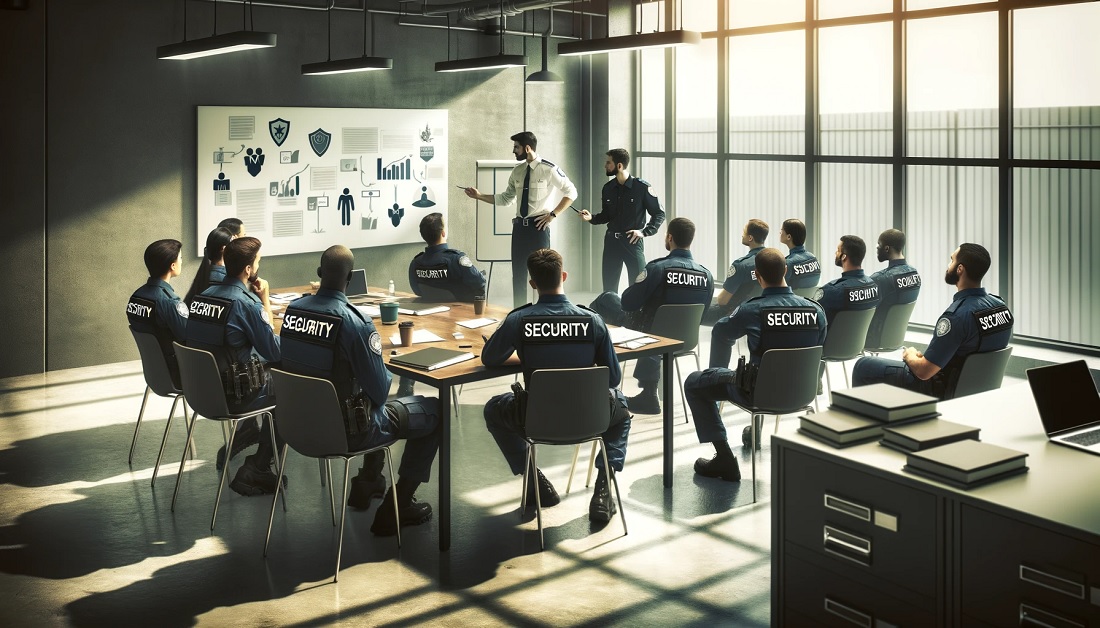
What It Means to Lead on the Ground
Security work isn’t limited to reacting to incidents or enforcing rules—it often involves taking initiative, guiding others, and setting the tone for professional behaviour. Whether supervising a team, overseeing entry points, or being the first to respond during an incident, strong on-post leadership is crucial. It requires calm judgement, the ability to prioritise quickly, and a strong awareness of your surroundings.
Leadership in security doesn’t always come with a formal title. Often, it’s demonstrated through actions—such as stepping forward when others hesitate, making confident decisions, or being the person colleagues look to for guidance. These moments shape how incidents are managed and how smoothly operations run.
Professional development plays a key role in building these capabilities. Completing structured security officer training in Glasgow helps individuals develop the knowledge, communication skills, and confidence needed to act as effective leaders on the ground. This training gives security staff the tools not just to follow protocol, but to guide others and take responsibility when it matters.
Leading Through Clarity and Communication
Clear communication is at the core of effective leadership. Security personnel must be able to brief teams, coordinate responses, and engage with the public in a calm and confident manner. Misunderstandings can lead to mistakes, so learning how to express instructions, expectations, and observations clearly is a key skill.
Training exercises often simulate real-world scenarios, allowing individuals to practice communication in high-pressure environments. These sessions also help develop listening skills—another essential part of leadership—ensuring instructions are not just given, but understood and followed correctly.
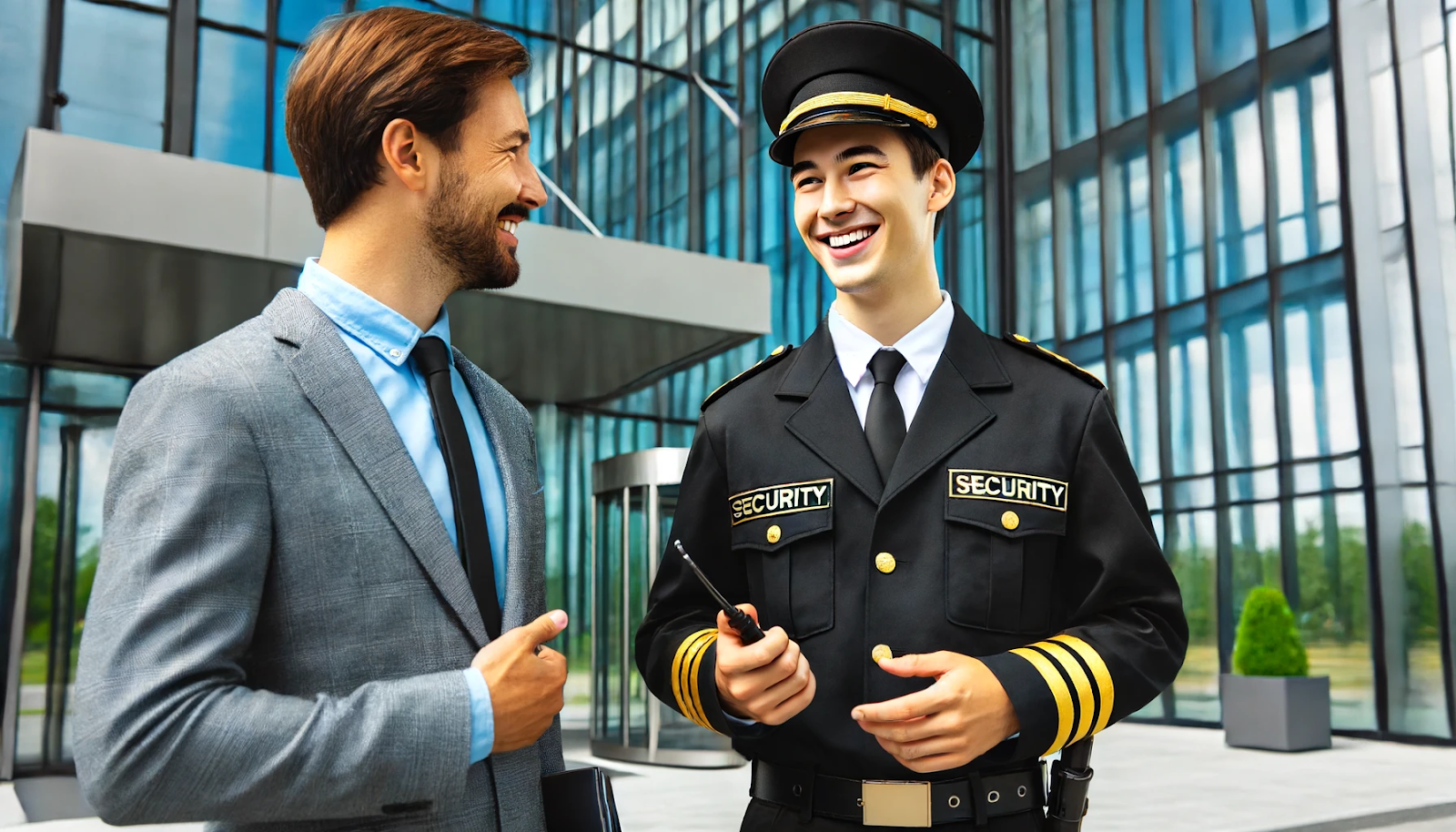
Leading by Example in High-Pressure Moments
Those in security roles often face moments where decisions must be made quickly. In these instances, others will naturally look to whoever appears most in control. This is where leadership matters most—remaining calm, sticking to procedure, and taking decisive but measured action.
Leading by example builds trust. When colleagues see someone staying level-headed in a difficult situation, it gives them the confidence to do the same. Leadership isn’t always about giving orders; sometimes, it’s about demonstrating the right approach through your own behaviour.
Encouraging Professional Standards Across the Team
Good leadership helps maintain high standards across the whole team. This might involve mentoring newer colleagues, offering advice after an incident, or reminding others of best practices in the moment. When one person sets the tone, others often follow.
On-post leadership ensures that everyone is working with the same mindset: alert, professional, and prepared. Through quality training and practical experience, security staff gain the ability to lead calmly, fairly, and effectively—creating a safer and more efficient environment for everyone.
